by Heather Shoning
winter care for thriving houseplants
WINTER PRESENTS its own challenges for indoor plants—shorter days, reduced light and changes in indoor conditions— but it’s also a great time to give them the attention they need when you’re stuck inside anyway. Let’s begin with how winter can wreak havoc on your budding beauties; then, we’ll discuss a plan to maintain a green thumb status. The first rule is to learn what your individual plants require—one care plan does not necessarily apply to all, but generally …
An arid climate—winter or not in New Mexico—means although your plants might not need more water, they do need more humidity. Plant growth naturally slows in winter, so less water (to the roots) might be required. Additionally, they don’t require fertilizer at this time either. However, dry air increases transpiration—the loss of moisture through their leaves. Transpiration is necessary, but you don’t want it happening too fast. So, to keep leaves healthy.
Overcome the effects of the shorter daylight hours by moving plants to southor west-facing windows so they can soak up as much light as possible while it’s available. Just be careful that the area doesn’t have temperature swings from drafty windows or heating vents. If you can’t move them or they seem to need more light, put a grow light on a timer to give them an extra couple of hours as required. If they are in front of windows, turn them weekly so they don’t become unstable from leaning in one direction.
Due to dry air and decreased plant health, winter is prime time for pests like spider mites, mealybugs and aphids. Watch for tiny bugs or gnats, yellowing foliage, wilting or sooty mold on leaves. Insecticidal soap or neem oil will cure any infestations.
Contrary to popular belief, winter is not a great time to repot your plants unless they are severely rootbound from a toosmall pot. If not, save repotting until very late winter or spring—your plants will love you for it. However, it’s a great time to clean your planting tools and have them ready for spring.
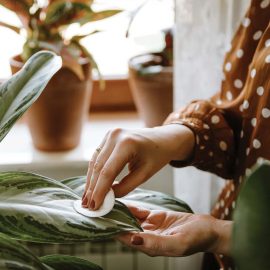
Now that your indoor plants are situated for the season, it’s time to create a regular schedule to keep them happy and healthy all year. On a weekly basis, you need to water them (check individual plant requirements—some need more, some less), inspect them for pests and rotate them whether they are in direct light or not. Another great habit is to dust the leaves. A plant’s leaves are literally what keeps it healthy and alive—dust will inhibit photosynthesis as well as transpiration.
During the growing season, repot and fertilize as needed. This is a great time to add soil to the pot if you’re not repotting (a general rule of thumb is to repot every one to two years). Make sure your plants have proper drainage, too. Trim any yellowing leaves and deadhead spent flowers to promote new growth and blooms. And be sure you’re giving your plants the amount of water they need; growth causes thirst! Determine what amount of light (direct or indirect) is best for your plants during the growing stages.
There are a variety of apps that help you know what types of plants you have (if you’re not sure) and give proper care instructions based on the species. This can be especially helpful if you have finicky plant types with very specific needs, such as tropical or flowering plants and, of course, our New Mexican favorites: succulents and cacti.