by James Selby
chards get their day
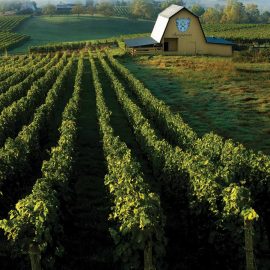
Until the last dozen years, chardonnay from the Willamette Valley was a low-profile grape in a land where pinot noir dominates. After decades of experimenting, this noble white may equal or surpass in quality, if not quantity, their famous red. Jason Lett, owner and winemaker of The Eyrie Vineyards, whose father was first to plant wine grapes in the valley in 1966, says, “I see people taking risks, willing to develop new sites that would be great for pinot noir, but instead are focusing on chardonnay.”
In the formative years, winemakers struggled with chardonnay, trying to imitate the oak-y, buttery style popular from Napa, or attempting to make Burgundy with its lean, earthy
aromatics. Josh Bergstrom, who studied winemaking in France in the 1990s, came back to his family’s winery with a revelation. “You can’t force chardonnay to taste like anything. What Oregon has for pinot, it has for chardonnay, and that’s acidity.”
What’s that mean? The cool climate of Oregon allows grapes to ripen leisurely, yielding fruit that’s refreshing and citrus-y. In hotter areas, they develop more sugar, which can lead to opulent, heavier wines. Among the new guard, Evan Martin of Martin Woods explains, “Our goal for chardonnay is to achieve tension between expressive fruit and vibrant acidity, between substance and delicacy, finding that delightful balance point.”
“‘Balance’ is a word that sums up how chardonnays from this region feel when you taste them,” says David Enright, manager at Arroyo Vino Wineshop in Santa Fe. “Each vineyard, grower, producer, in vast combinations, influence the style of their wine, but there’s always this balance.”
The Eyrie Vineyards Chardonnay “Original Vines” Reserve 2016:
Aromas of orange, jasmine; nuanced citrus, orchard fruit ($60)
Bergström Wines Chardonnay “Old Stones 2018: Scents of red
apple, chamomile; rounded, white peach ($35)
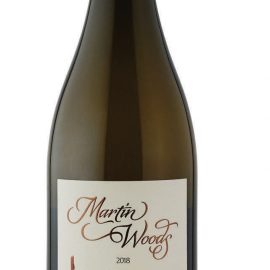
Martin Woods Chardonnay Willamette Valley 2017: Cashew,
honey notes; savory, pear, lemon ($30)