by Faerl Marie Torres
lilacs are a New Mexico gardener’s best friend
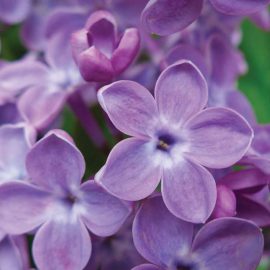
SPRING IN NEW MEXICO brings warmer days and a greener landscape from the Bosque to the peak of the Sangre de Cristos. As the days lengthen and the soil thaws, landscape plans are put into action, and while the high desert is known for many things, easy horticulture isn’t one of them. It’s important to understand which plants thrive here and the best way to care for them so you can cultivate the verdant retreat you’ve spent the dreary winter envisioning. One low-maintenance, high-reward option for the Southwestern garden is lilacs. In addition to their high desert hardiness, there are 21 varieties in seven different colors ranging from white to deep purple, all of which share the highly prized floral perfume. “The scent is their claim to fame,” says Tyler Leslie, co-owner of Rehm’s Nursery, who also appreciates their dependability and benefit to pollinators who are attracted to the full, heady blooms.
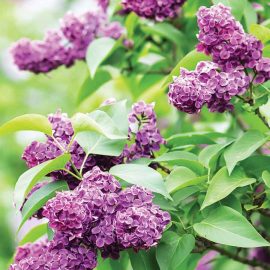
In New Mexico, the common lilac, Syringa vulgaris, thrives and comes in all seven color varieties to best suit your garden’s color palette. Nichole Busse, garden center manager at Lantern Ridge Farm Market + Nursery in Sandia Park, says, “All lilacs do well in New Mexico. They’re drought tolerant and super tough.” However, she warns that they do best with a good dormant period that cold weather brings. Depending on the weather and altitude, lilacs bloom three to four weeks in the spring, bringing some of the first flush of color to your garden.
Whether you have several acres or a small patio, there’s a lilac variety to suit your space. Common lilacs propagate efficiently and can be pruned for height or density to cover as much full-sun space as you have available. The ‘Charles Joly’ blooms a deep, wine red, while the ‘Mme. Lemoine’ produces double white flowers. If you have a smaller space to fill, Busse recommends the Korean Dwarf for landscapes below 10,000 feet. The compact size is perfect for a planter or pot. Leslie recommends Persian lilacs, which form a dense, five-to-six-foot shrub. Consider complementary and companion plants for your lilacs, including drought tolerant varieties of peony, clematis, day lily and sedum.
According to Santa Fe Extension Master Gardeners, lilacs in New Mexico can grow five- to 15-feet tall depending on the variety and are long-lived with proper care and at least six hours of full sunlight. They can be planted in full sun, but Leslie suggests a little shade to help them thrive and planting in fall or early spring. “It’s great to give them time to acclimate before the intense heat of summer.” However, lilacs can be planted year-round if they receive adequate water the first year. “Even in winter they need water once a month,” Busse says. She recommends planting in a spot that’s sheltered from the wind. “Deadhead once the blooms are spent to encourage more flowering and fertilize with compost or a 10-10-10 allpurpose fertilizer and mulch everything,” she says. “It helps protect the roots and conserves water.” Busse encourages gardeners to remember “drought tolerant” doesn’t mean “never needs water.” The first year is particularly crucial for care, ensuring new additions to the garden can cultivate deep roots for years of growth and enjoyment.
resources
Lantern Ridge Farm Market + Nursery
Rehm’s Nursery