by Heather Shoning
Beer, Art and Recreation are top-notch in this northern Colorado college town
NO MATTER WHAT SEASON you choose to visit, Fort Collins, Colorado, is a bustling, vibrant city with unique activities and a propensity for beer, art and recreation. Initially home to Native American tribes, including the Arapaho and Cheyenne, Fort Collins was officially founded as a military outpost in 1864 during the height of the Colorado Gold Rush. The fort was established along the Cache la Poudre River to provide security for those moving westward and was named after Lieutenant Colonel William O. Collins.
The fertile land in the Cache la Poudre Valley (pronounced pooh-der) made it ideal for farming, so when the fort was decommissioned in 1867, many soldiers and their families chose to stay in the area and establish farms. In 1870, Fort Collins was selected as the location for the Colorado Agricultural College—now known as Colorado State University—which played a significant role in the city’s development and growth. The expansion of agriculture, education and commerce provided continued growth, and the town was officially incorporated in 1883. Its connection to the transcontinental railroad further boosted its economic prospects. Over time, Fort Collins diversified its economy with a focus on manufacturing, technology and tourism. The city embraced innovation and sustainability—it’s a ClimateWise-designated city— which led to a thriving microbrewery scene and a reputation as a hub for outdoor recreation.
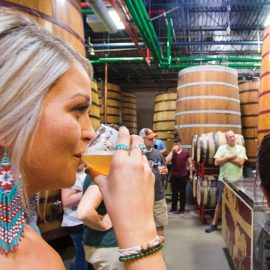
So, let’s start with beer because—honestly—it’s what this town is known for. According to Food & Wine, Fort Collins is No. 11 on the list of cities with the most breweries per capita. Smartasset.com ranks it No. 8 on its list of top cities for beer drinkers based on the cost of beer and access to breweries. Despite its present-day moniker, “Napa Valley of beer,” Fort Collins was a dry town until 1969—a whopping 36 years after Prohibition ended. Although Anheuser-Busch opened its brewery there in 1988, the craft brewery movement started the following year with the opening of CooperSmith’s, which is today located in the heart of Old Town Square. It’s one of the city’s 20 breweries. In addition, there are two cideries and four wineries. Not only is Fort Collins serving a lot of beer, but it’s also educating the next generation of brewers. Colorado State University is home to one of the nation’s only Fermentation Science & Technology 4-year degree programs.
Many of the local breweries offer tours, and the monthly brewery events are too numerous to list, assuring that there will be plenty to choose from no matter when you visit. A great way to booze cruise— or just see the city—is on a bicycle. The city has a relatively flat terrain, wide bike lanes and multiple trails, including the popular ones that follow the Cache la Poudre River and Spring Creek. You can book a tour or rent a bike and go on your own.
But we’re getting ahead of ourselves. Let’s talk art before we dive too deep into recreation. Fort Collins has a reputation as the cultural capital of northern Colorado thanks, in part, to CSU’s world-class performing arts center, local community and professional acting troupes, traveling Broadway shows, venues devoted entirely to musical theatre (with and without dinner), longstanding children’s theatre companies with summer performances under the stars, and the Downtown Creative District.
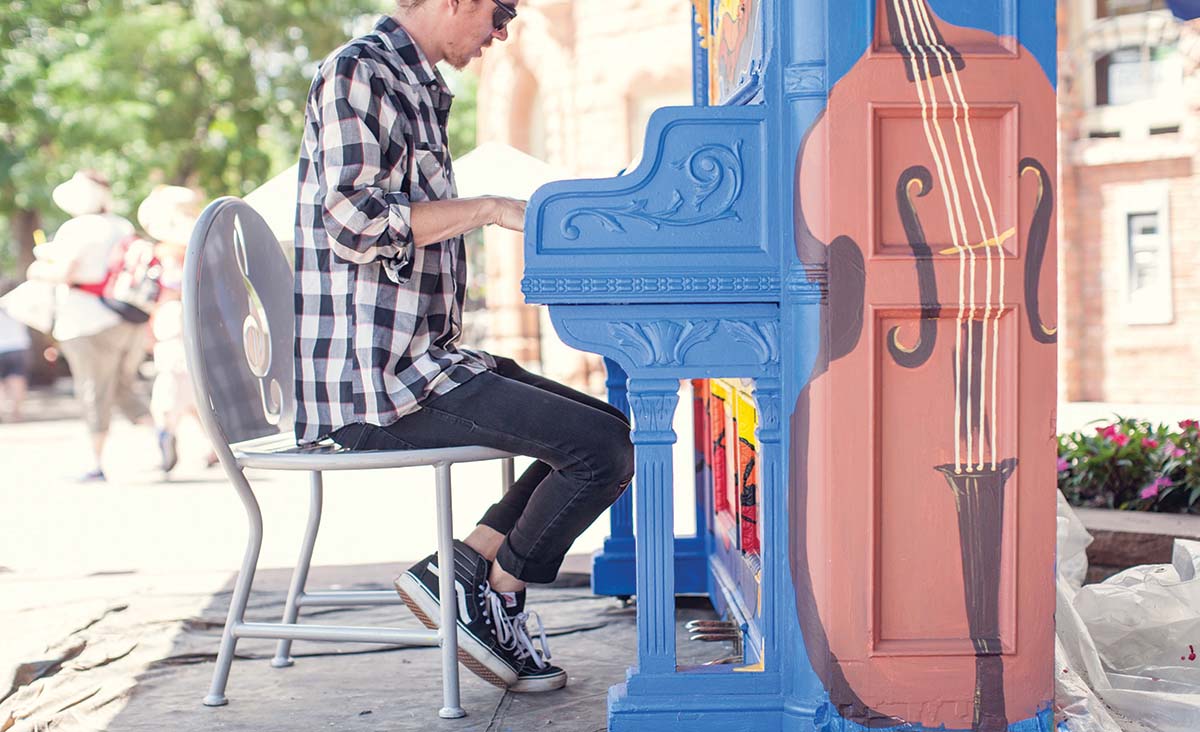
We promised there were unique activities: How about the Otterbox Digital Dome Theater, the Horsetooth International Film Festival or—here we go—The Craft of Shoemaking at the Colorado Shoe School, where you’ll be provided all the materials, tools and guidance needed to craft your own pair of shoes. If you’d rather observe art, hop on a bike and cruise around town on a self-guided public art tour (there’s a map available online). You can see dozens of pavers designed by Fort Collins youth depicting Fort Collins life, painted (electrical) transformer cabinets, and more than a dozen pianos—painted each year by local artists— throughout town for budding and seasoned musicians to play, as well as a variety of murals and sculptures. Not to mention the 15-plus art galleries in the historic downtown area.
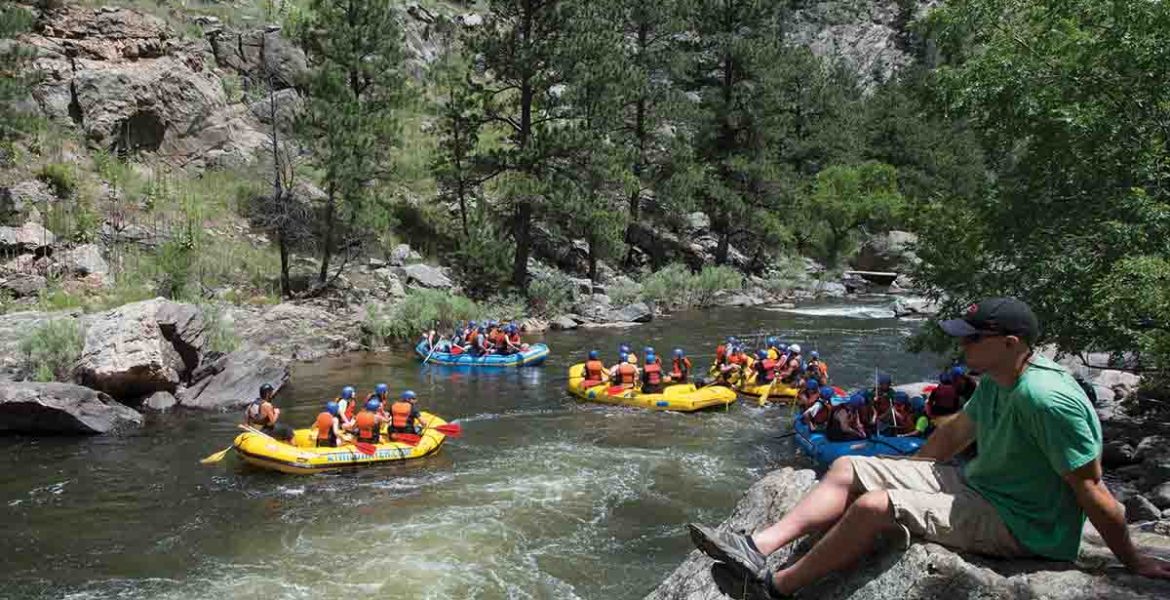
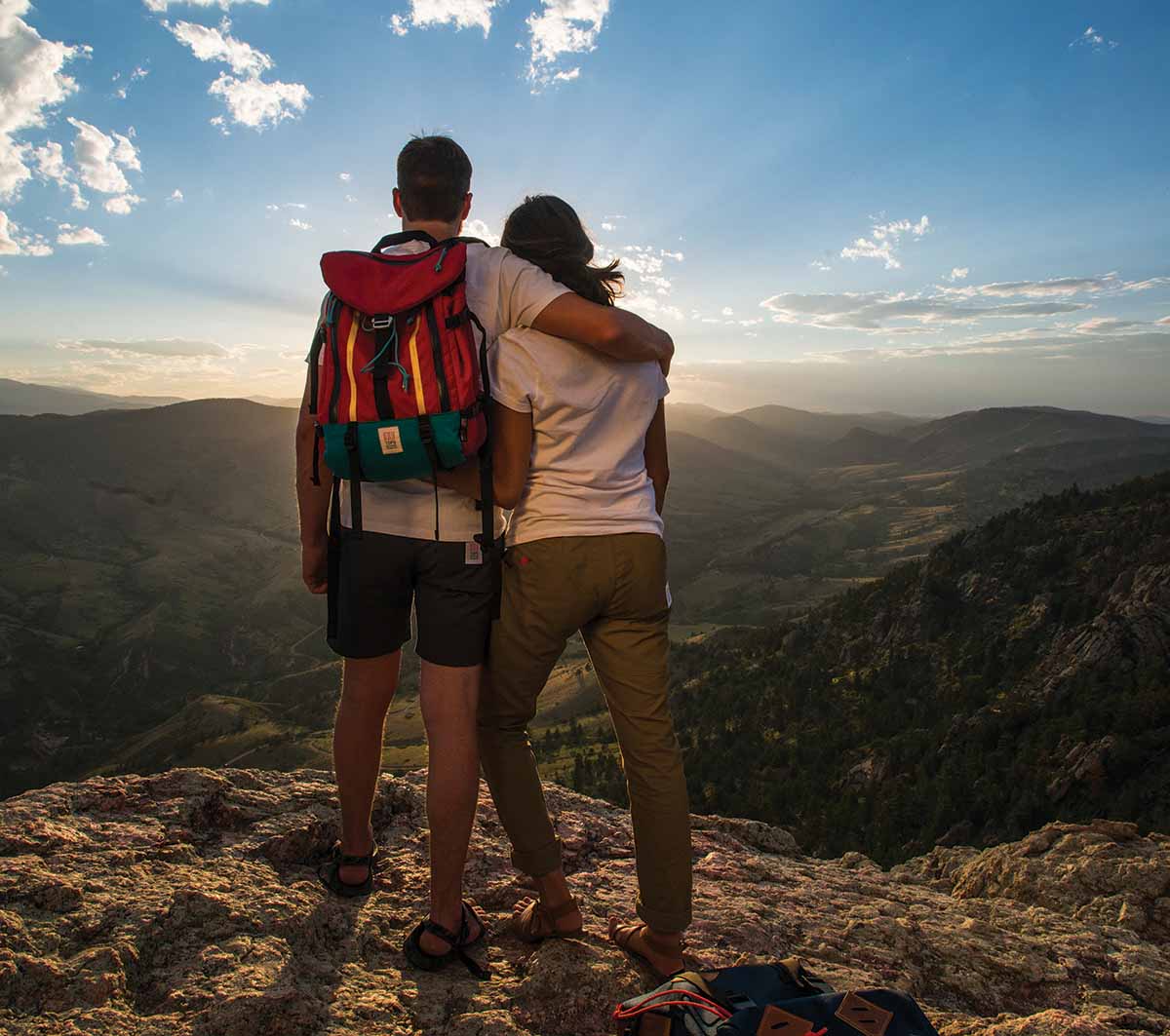
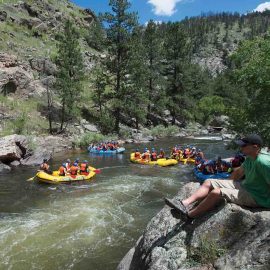
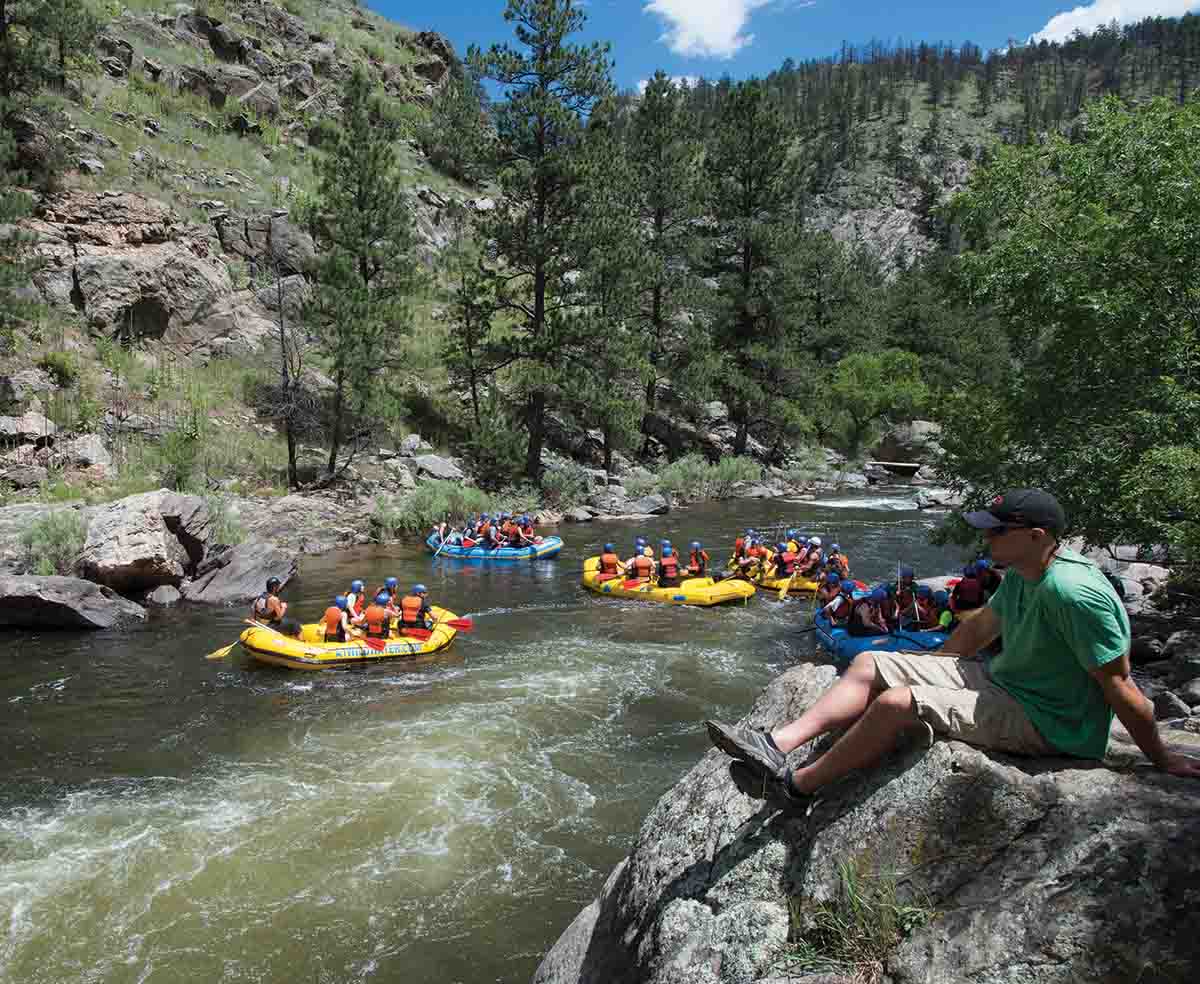
Recreation runs the gamut here. From climbing to golfing, hot air ballooning to horseback riding, biking to birdwatching, there’s truly something for everyone. However—at least in the warmer months—water reigns supreme here. You can enjoy rafting, kayaking, boating, fishing and swimming, and the two main water venues are the Cache la Poudre River and Horsetooth Reservoir. A trip down the river boasts majestic views of craggy cliffs and riveting rock formations enveloped in ponderosa and lodgepole pines, sagebrush, mountain mahogany, and aspen trees. The Poudre is Colorado’s only nationally designated “Wild & Scenic” river. It begins high in the peaks of Rocky Mountain National Park, along the Continental Divide, flows north and east through Roosevelt National Forest, then tumbles down the slopes of the Front Range and meanders through the city of Fort Collins. From its headwaters to the confluence with the South Platte River east of Greeley, the Cache la Poudre River drops 7,000 feet in elevation.
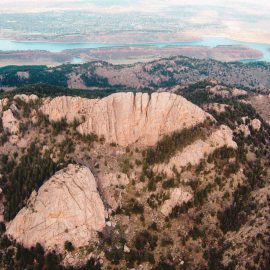
In 1933, Poudre Valley farmers endured years of drought and dust storms and realized the need for more water to satisfy the thirst of the crop-bearing farms around Fort Collins. The construction of Horsetooth Reservoir solved the problem. It takes its name from the unique rock formation that sits above the 6.5-mile-long body of water. A Native American legend says the Valley of Contentment (today’s Horsetooth Reservoir) was once guarded by a giant so that no buffalo, deer or antelope could be hunted in the valley. Chief Maunamoku led Indians to slay the giant, and in doing so, the Chief slashed at his heart, first in the center, then on the right and then on the left with a tomahawk from the heavens. The next day, the giant turned to stone and is now known as Horsetooth Rock. Alternatively, it could just be that the rock looks like horse teeth, but who are we to argue with an ages-old legend? Regardless of its namesake tale, the reservoir provides ample water activities in addition to camping and hiking—you can even hike to the rock formation, then scramble to the top for 360-degree views of Fort Collins, the reservoir and nearby Longs Peak (a famous 14,000-foot mountain in Rocky Mountain National Park).
Whatever it takes, you should scramble to Fort Collins for an above-BAR getaway in 2024. The city offers so much to see and do— we didn’t even touch on the diverse shopping, including many “made in Fort Collins” spots, top-notch dining, wellness and spa options, family fun, and more. Plan your trip at visitftcollins.com.