by Kate Jonuska
exploring human relationships with outdoor spaces over time
SOME GARDENING BOOKS read like a portfolio of the author’s work, relying upon one visual example after another of their planting philosophy or unique aesthetic. A book like Jinny Blom’s “What Makes a Garden: A considered approach to garden design,” however, is as much an exploration of the U.K. landscape designer ’s mind as a tour of gardens she’s designed, offering up a masterclass of context and expertise for thoughtful gardeners everywhere.
Peppered with unexpected illustrations from the art world and history, Blom makes the point that gardens are an act of controlling—or rather, working in tandem with—nature for human purposes. “In making a garden, we are offering to ‘civilize’ a small part of the wilderness, to refine it according to our tastes,” she says. “Our intention is to borrow it, fashion it, care for it in a stylized manner and enjoy it.”
Rather than dwell on current trends or personal style, she traces the many iterations of gardens and planned outdoor spaces that humans have created through time: walled kitchen gardens in ancient Rome, the efficient operations of self-sustaining monasteries, perfumers’ gardens, cut-flower gardens and modern community gardens. She quotes artists and thinkers as varied as Shakespeare, Aristotle, Proust, Marx and FDR to paint a picture of humankind’s relationship with outdoor spaces, weaving modern gardeners into this long and storied history.
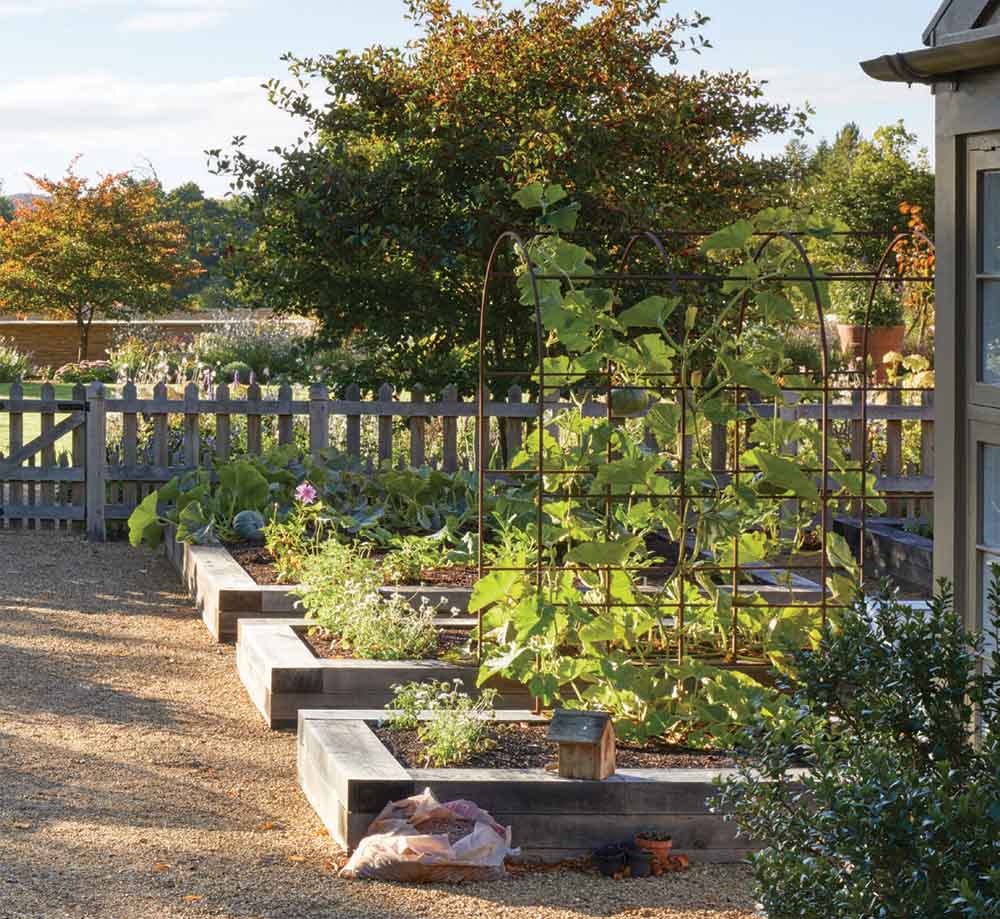
Alongside the masterclass, “What Makes a Garden” takes a deep dive into four of Blom’s recent projects, offering tons of plant inspiration and helpful advice. Even so, Blom’s depth of thought on the subject of what makes a garden will keep many readers ruminating—hopefully in their own gardens—for years to come.