
an unlikely muse
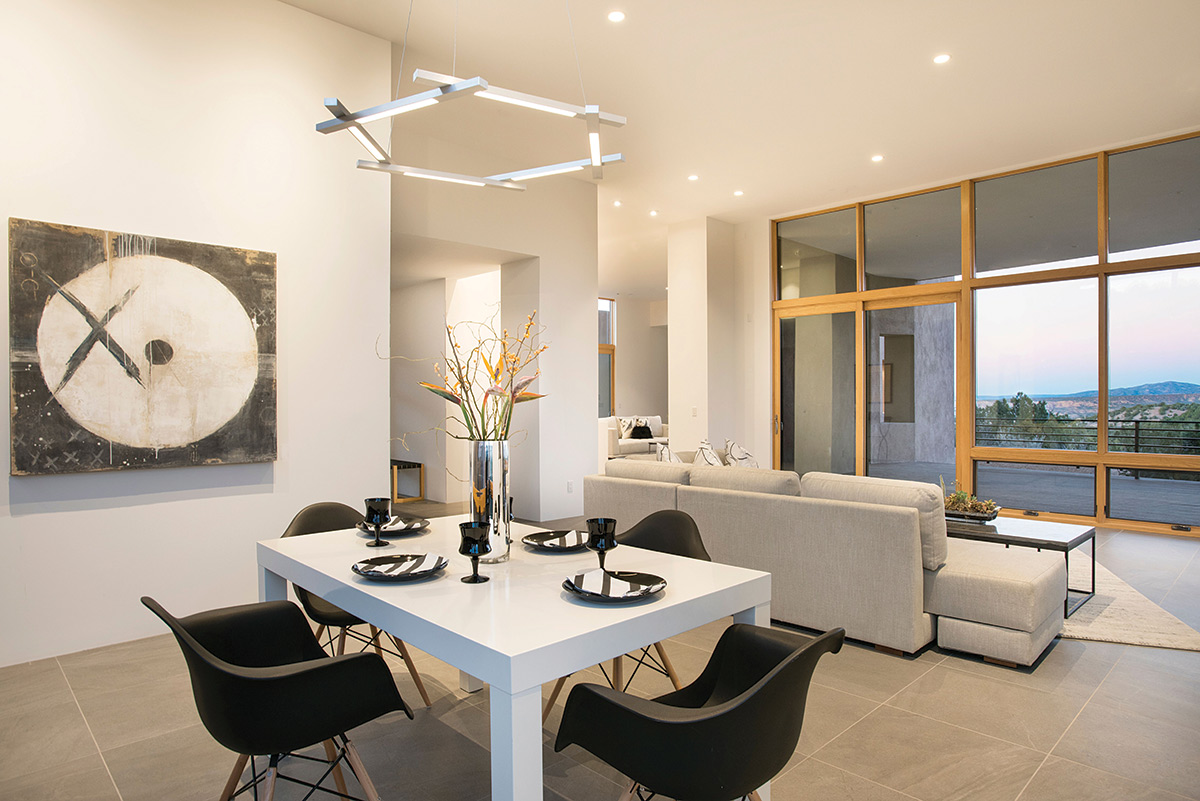
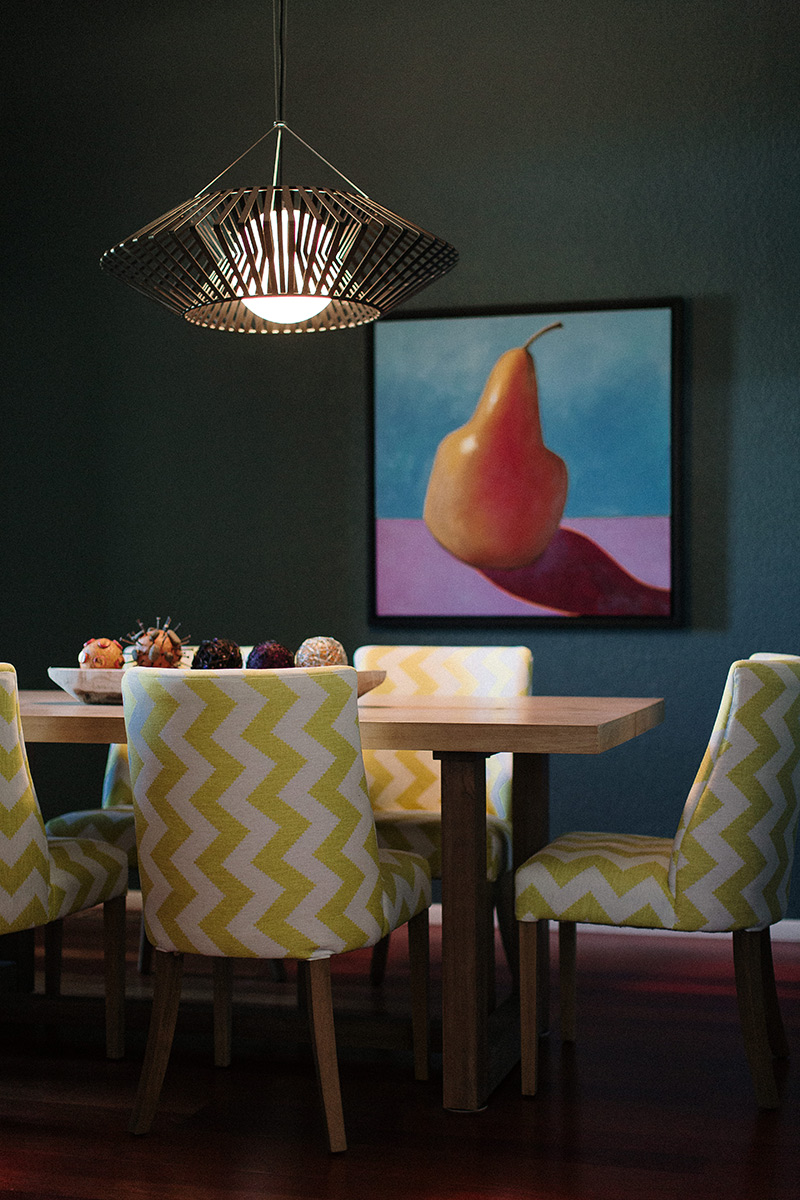
Who says art gallery walls have to be white? A dark gray background in a dining room makes a bold piece of art really pop. Photograph by Brandon Harwell Photography.
Source: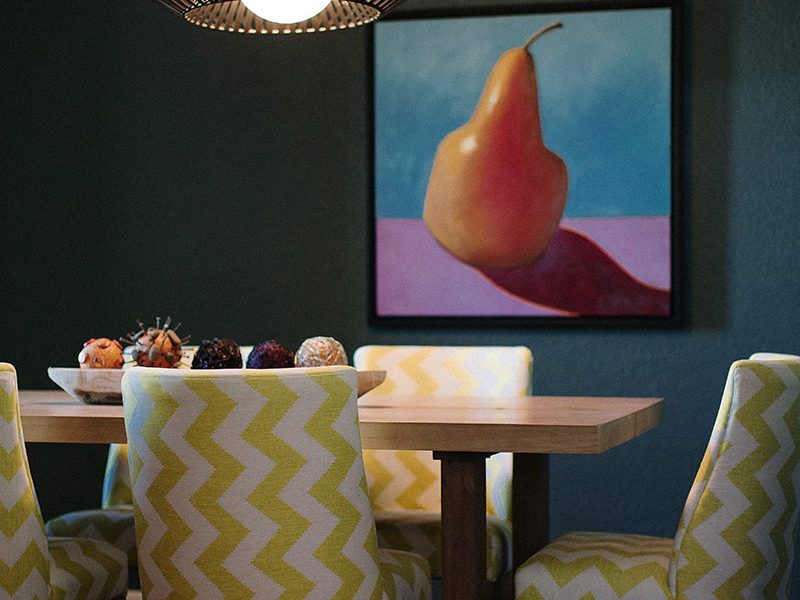

by Catherine Adams
Art is the muse that inspires the design of many a home in Northern New Mexico. Like Camille Claudel was to Rodin, Edie Sedgwick to Warhol, the art in our homes stirs passion that influences interior walls, floors, furniture, ceilings, even home construction itself. We may be unaware of it, but art is inside us, waiting to come out.
The nature of that art is “the client’s idea, even if they don’t know it,” says Letisha Perry, owner of Blue Eye Interiors (blueeyeinteriors.com) in Albuquerque. “Art is a dominant part of the conversation and a large part of interior design.”
“Every space has a star in the room—the thing people stop and look at, then talk about when they leave. When art is the star, I make sure it’s the star.”—Letisha Perry
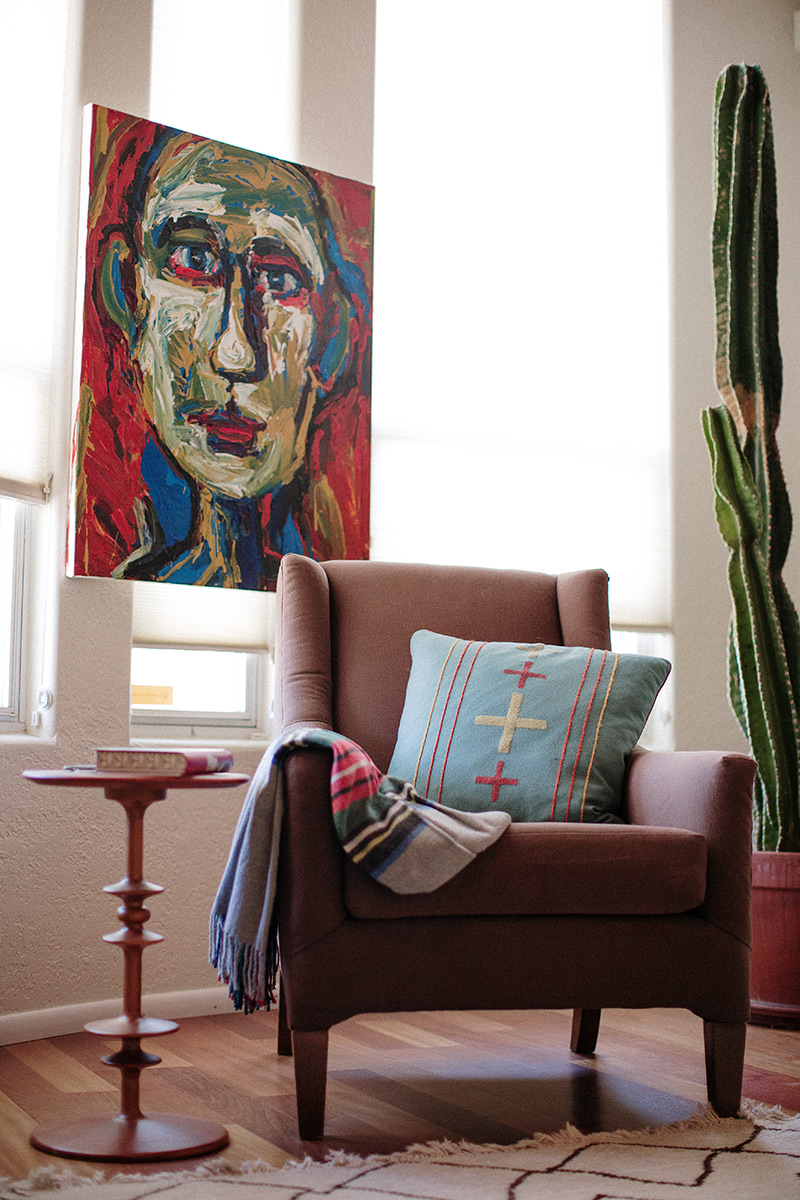
As an interior designer, Perry interviews clients and gently draws art out of them. Even those who say they don’t care about art often have something they want to express—values like family, or perhaps an interest in plants. Given proper interior design these things can serve as art. “It’s really about how it’s used,” Perry explains. “You can turn anything into art if it speaks to you. Value is intrinsic to the person, not the marketplace.”
For every homeowner only vaguely interested in art there is a serious collector eager to showcase their current pieces and search for new ones. And many of those collectors live in or regularly visit Santa Fe.
“People know it’s an art city and are drawn here because it’s so artful,” says Jennifer Ashton of Jennifer Ashton Interiors (jenniferashtoninteriors.com). She enjoys taking such clients to galleries downtown or along Canyon Road, introducing them to local artists whose style reflects their own. “When possible, I like promoting our local art and design community. It’s important for artists to support each other.”
How art goes about inspiring interior design choices depends on art’s importance to the homeowner. “Every space has a star in the room—the thing people stop and look at, then talk about when they leave,” Perry says. It can be the windows, the chandelier, the tub. “When art is the star, I make sure it’s the star.” How this is done, is the art muse at work.
“We look to art for inspiration when determining the feel of a home, then we create a backdrop so art is the dominant player in the overall scheme of the house.”—Annie O’Carroll
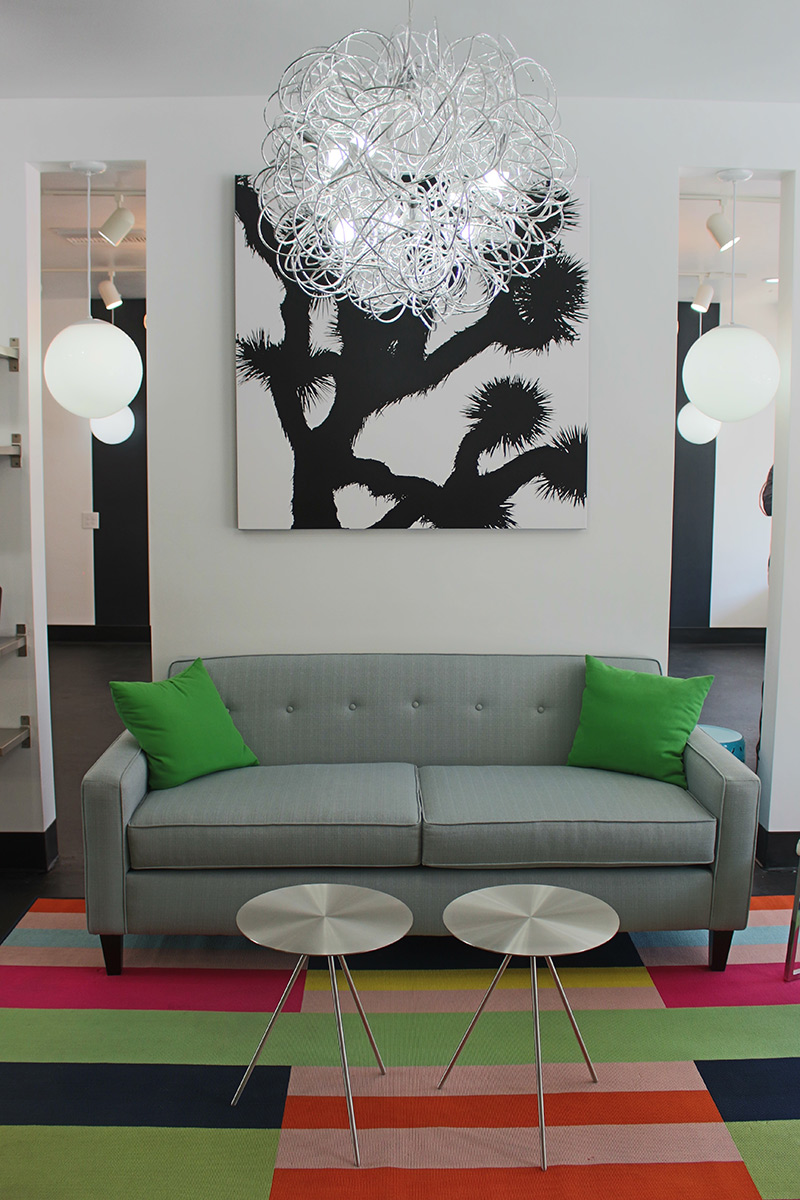
Art influences lighting. “Lighting is a very important component when thinking about art, and with the technology on the market, it’s a perfect time to explore the many options available,” says Annie O’Carroll, owner of Annie O’Carroll Interior Design (annieocarroll.com) in Santa Fe. When lighting art, O’Carroll has some favorite brands, including what she calls “the new and versatile art lighting from WAC Lighting and Tech Lighting.” In addition, she adds, “Monopoint fixtures are a good option because they offer flexibility in the stem length, beam spread, bulb type, and adaptable lenses,” all of which are tailored to shed the best possible light on art pieces that come in all shapes and sizes.
Art influences placement. Where art is placed determines its standing in the room and influences surrounding design elements. “We always think things should be symmetrical or balanced, but too much of that and the eye comes to expect it—and the art goes unnoticed,” says Perry. On the other hand, “Unorthodox placement will make art stand out. If you put art off-center the eye will stop and wonder, ‘What’s going on here? That’s not what I expected.’” And that’s when the art becomes the star of the room.
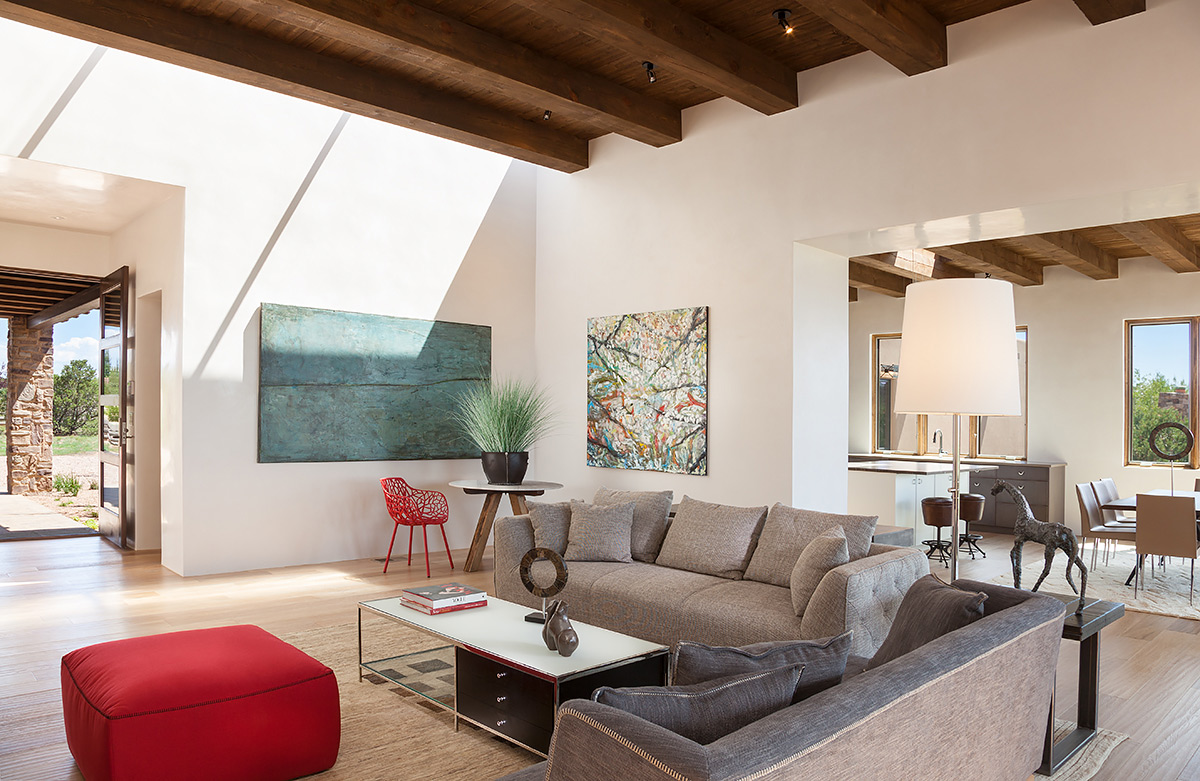
Art influences other design choices. Everything else plays a supporting role. Furniture, fabrics, walls, and floors—all take their cues from the art. With new construction, features and finishes are selected to highlight existing or future collections of art. With remodels, changing the color or organization of a room can work wonders. “We look to art for inspiration when determining the feel of a home,” says O’Carroll, “then we create a backdrop so art is the dominant player in the overall scheme of the house.” Art, then, informs the color palette, the texture, the style—all the supporting elements that serve as “the envelope for the art.”

Jennifer Ashton
Jennifer, you often say your interior design process “starts with art.” Can you explain that?
I mean considering first what art you have, what kind of art you may want to purchase, and where you want art to exist in your home. This sets the foundation, the base from which to work from. For example, if you like contemporary, abstract landscapes, it helps you determine what kind of furniture will complement this certain style. Art is very important to the home. It adds beauty and color, balance and space, personal meaning, a sense of well-being—especially in Santa Fe where many people come to find a sense of release.
How do you know what kind of furniture, walls, floors, etc., will complement a certain style of art?
You consider what will bring balance and interest to the room. If a piece of art is strong and bold, you may want soft, textural surroundings so as not to feel overwhelmed. If the art is more subdued, you have the opportunity to use bolder colors and patterns elsewhere. It’s all about give and take, about selectiveness. Something may need to be pulled back or brought in. You must consider the entire room. Are the floors dark, the walls white? Look at everything around the art and make selections that work.
What kind of art is “good enough” to design around?
Art that is good enough means it is good enough for you as it relates to the emotional feeling desired in your home, or a mood. It’s fun to start the design process by exploring all your art options. When you notice what you’re drawn to, you get to learn some things about yourself. A home has many walls, and with imagination and creativity, the possibilities are endless. For example, I found gorgeous, geometric wrapping paper that was framed in a beautiful modern format to look like high-end modern art.
What kind of budget do I need?
That depends on whether you consider yourself a serious collector or just want something that appeals to you and serves the design. Budget is definitely relevant when considering where to shop, whether you go to art galleries or someplace else. It starts with taking stock of what you already have, what has meaning and value, then keeping your personal budget in mind as you explore the many options available. Here in Santa Fe, for example, we have the Railyard District, Canyon Road, and other unique, hidden locations around town. For the new collector I find the gallery association and gallery owners are so informed. Whether your art budget is $2,000 or $100,000, you can explore artists whose styles resonate with your life, and have fun with all the creative possibilities.
Jennifer Ashton Interiors, jenniferashtoninteriors.com